
Understanding the Thrill of Risk
The allure of gambling often stems from the thrill associated with risk-taking. Psychologically, individuals are drawn to the excitement and anticipation that accompany the possibility of winning. This sensation can trigger the release of dopamine, a neurotransmitter linked to pleasure and reward. Engaging in activities perceived as risky, such as gambling, elevates dopamine levels and creates a powerful desire to pursue that excitement. Players who explore options like DrSlot Casino evolve will find that this response is integral to the gambling experience, as they frequently chase the high that accompanies each win or near-miss, often leading them to gamble more than they initially intended.
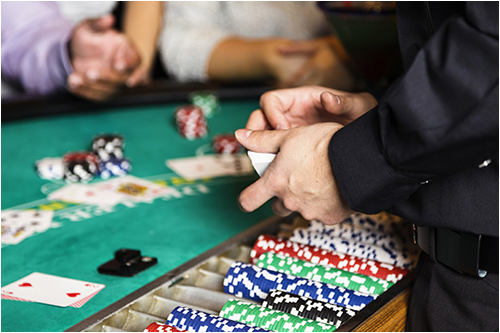
Furthermore, the unpredictability of outcomes in gambling environments amplifies the psychological thrill. Players often feel a sense of control over their fate, leading them to believe they can influence results despite the inherent randomness of games. This illusion of control can result in a cycle where individuals repeatedly gamble in an attempt to recreate the rush of that initial win. As they invest time and money, they become more entrenched in the gambling experience, further fueling their desire to take risks. These repeated actions can create a complicated relationship between the gambler and the game, often blurring the lines between enjoyment and compulsion.
Addiction plays a significant role in understanding why people are willing to risk it all. For many individuals, gambling can evolve into a compulsive behavior that they struggle to resist. The psychology behind addiction reveals that repeated exposure to the gambling environment can lead to desensitization. As a result, players often seek higher stakes or more extreme forms of gambling to achieve the same level of excitement, triggering a cycle that can be difficult to break. Such patterns illustrate how powerful the psychological drive to gamble can be, even in the face of considerable losses, leading to a potentially destructive path.
The Role of Cognitive Biases
Cognitive biases significantly influence the psychology of gambling, affecting how individuals perceive risk and reward. One prevalent bias is the “gambler’s fallacy,” where players believe that past outcomes can influence future results. For example, a player might think that after a series of losses, a win is overdue, leading them to continue playing in hopes of a turnaround. This fallacy distorts reality and can result in individuals betting larger sums, convinced that their luck will change. Such misconceptions can lead to substantial financial losses, as players often ignore the statistical probabilities of their actions.
Another common bias is “confirmation bias,” where gamblers focus on information that supports their beliefs while disregarding contrary evidence. A gambler who experiences a few wins may fixate on those outcomes, neglecting the numerous times they lost. This selective memory reinforces their belief in their gambling strategy, making it harder to recognize the risks involved. Such biases can create a dangerous feedback loop, encouraging continued gambling despite clear evidence that it may not be financially wise. This distortion of reality can lead to a prolonged engagement in gambling, often resulting in significant consequences.
Moreover, the concept of “near-misses” plays a critical role in reinforcing gambling behavior. When players come close to winning—such as getting two out of three needed symbols on a slot machine—they may interpret these near-misses as signs of impending success. This misleading sense of hope can spur more gambling, as individuals believe they are on the verge of a big win. The psychological implications of near-misses highlight how the brain can misinterpret outcomes, driving players to chase their losses and risk even more in the process. This phenomenon can become a relentless cycle, propelling gamblers further into the depths of their habits.
The Emotional Landscape of Gambling
The emotional connection to gambling significantly contributes to why individuals gamble and often risk substantial amounts. Many people turn to gambling as a means of escape, seeking relief from stress or emotional pain. During moments of despair, the prospect of winning can temporarily alleviate feelings of sadness or anxiety. This emotional relief can create a cycle where individuals increasingly turn to gambling as a coping mechanism, ultimately leading to problematic patterns. Over time, the reliance on gambling for emotional support can severely impact one’s mental health and personal relationships.
Additionally, the social aspect of gambling enhances its appeal. For many, casinos or online gambling platforms serve as venues for social interaction and camaraderie. The excitement of sharing the gambling experience with others can amplify the emotional highs associated with winning. However, this social dimension can also foster peer pressure to gamble more aggressively, with individuals feeling compelled to continue playing to maintain their social standing or friendships within these circles. The need for social acceptance can create an environment where excessive gambling is normalized, further complicating an individual’s relationship with gambling.
Losses trigger strong emotional responses that can lead gamblers to take further risks. Instead of walking away after a significant loss, many feel the compulsion to recover their losses, often leading them to wager even more money. This phenomenon, known as the “loss chasing” mentality, can result in severe financial and emotional consequences. Understanding these emotional factors is crucial for grasping the psychology behind why many individuals risk it all while gambling. As the stakes rise, so do the emotional toll and the risks associated with gambling, making awareness and management essential for maintaining a healthy relationship with the activity.
The Impact of Environment on Gambling Behavior
The environment in which gambling occurs significantly influences behavior and decision-making. Whether in a physical casino filled with colorful lights and sounds or an online platform designed for engagement, these environments are crafted to enhance excitement and prolong playtime. The sensory overload experienced in casinos can heighten emotions and create an intoxicating atmosphere that encourages prolonged gambling. This design is intentional, aimed at keeping players engaged and increasing their likelihood of betting more. The ambiance can effectively obscure the true costs of gambling, making it easier for individuals to lose track of their spending.
Online gambling platforms leverage the convenience and accessibility of digital environments. The ability to gamble from home removes many barriers that might otherwise limit play, such as travel or time constraints. This ease of access can lead individuals to gamble more frequently and impulsively. The immediacy of online betting fosters compulsive behaviors, as players are just a click away from engaging in their favorite games, often without considering the consequences. The constant availability of online gambling can blur the lines between entertainment and compulsion, making it challenging for individuals to set and adhere to limits.
Moreover, promotional strategies employed by gambling establishments, such as bonuses and loyalty rewards, significantly impact gambling behavior. These incentives can create feelings of value and encourage individuals to gamble beyond their means in hopes of unlocking greater rewards. Understanding how environmental cues and marketing strategies manipulate player behavior is essential to grasping the broader psychology of gambling. The strategic design of gambling environments and promotional tactics can exploit psychological vulnerabilities, leading individuals to make decisions that may not align with their best interests.
The Importance of Responsible Gambling
Given the psychological factors inherent in gambling, promoting responsible gambling practices is vital. Gambling can offer excitement and entertainment, but it is crucial for individuals to recognize their limits and the risks involved. Awareness programs can educate players about the potential psychological traps associated with gambling, such as cognitive biases and emotional triggers. By fostering a better understanding of these factors, players can make informed decisions and resist the urge to gamble excessively. This awareness is the first step to creating a healthier relationship with gambling, allowing individuals to enjoy its thrills without jeopardizing their well-being.
Additionally, measures such as setting deposit limits, utilizing self-exclusion programs, and accessing available resources for gambling addiction can significantly reduce the potential for harmful gambling behavior. By prioritizing responsible gambling practices, players can enjoy the thrill of gambling without risking their financial stability or emotional health. Creating a balanced approach to gambling helps individuals engage with the activity responsibly, ensuring that it remains a source of entertainment rather than a source of distress.
Finally, sharing knowledge and resources about gambling psychology and responsible practices is essential. Support networks, counseling services, and educational initiatives can assist those who may struggle with gambling-related issues. As more individuals become informed about gambling psychology, the conversation surrounding responsible gaming can expand, promoting healthier habits and fostering a culture of awareness and accountability in gambling environments. Encouraging open discussions about the psychological aspects of gambling can empower individuals to seek help and make more informed choices regarding their gambling behaviors.